The idea
The Sandfields and Brunswick areas of Swansea are vibrant communities just outside the city centre. Living close to the beautiful sweep of Swansea Bay and the hustle and bustle of the city brings many benefits. But being so close to the sea and at the bottom of Swansea’s surrounding hills can also create challenges. When the tide is in and heavy rain falls, where does the water go?
What happened
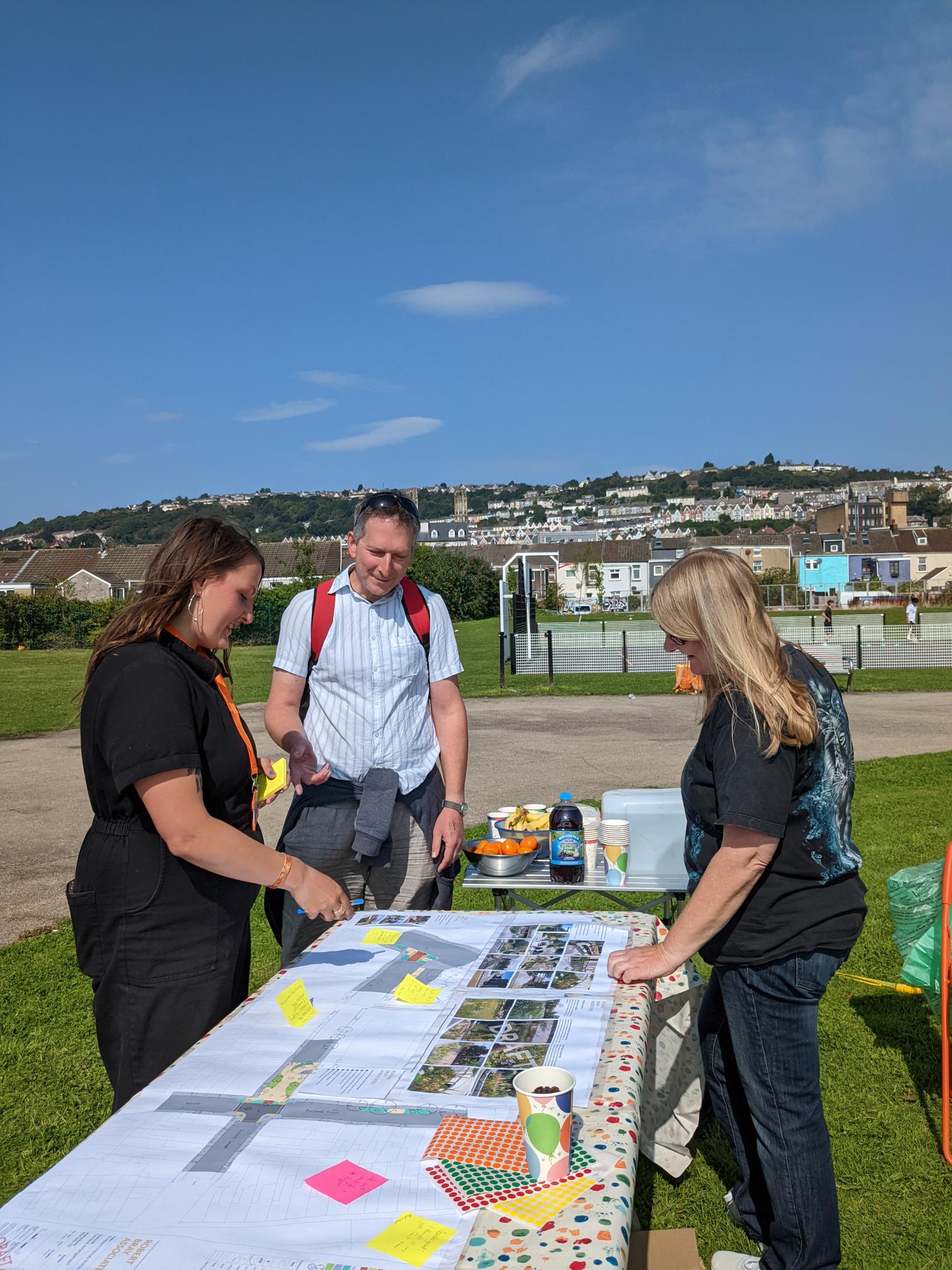
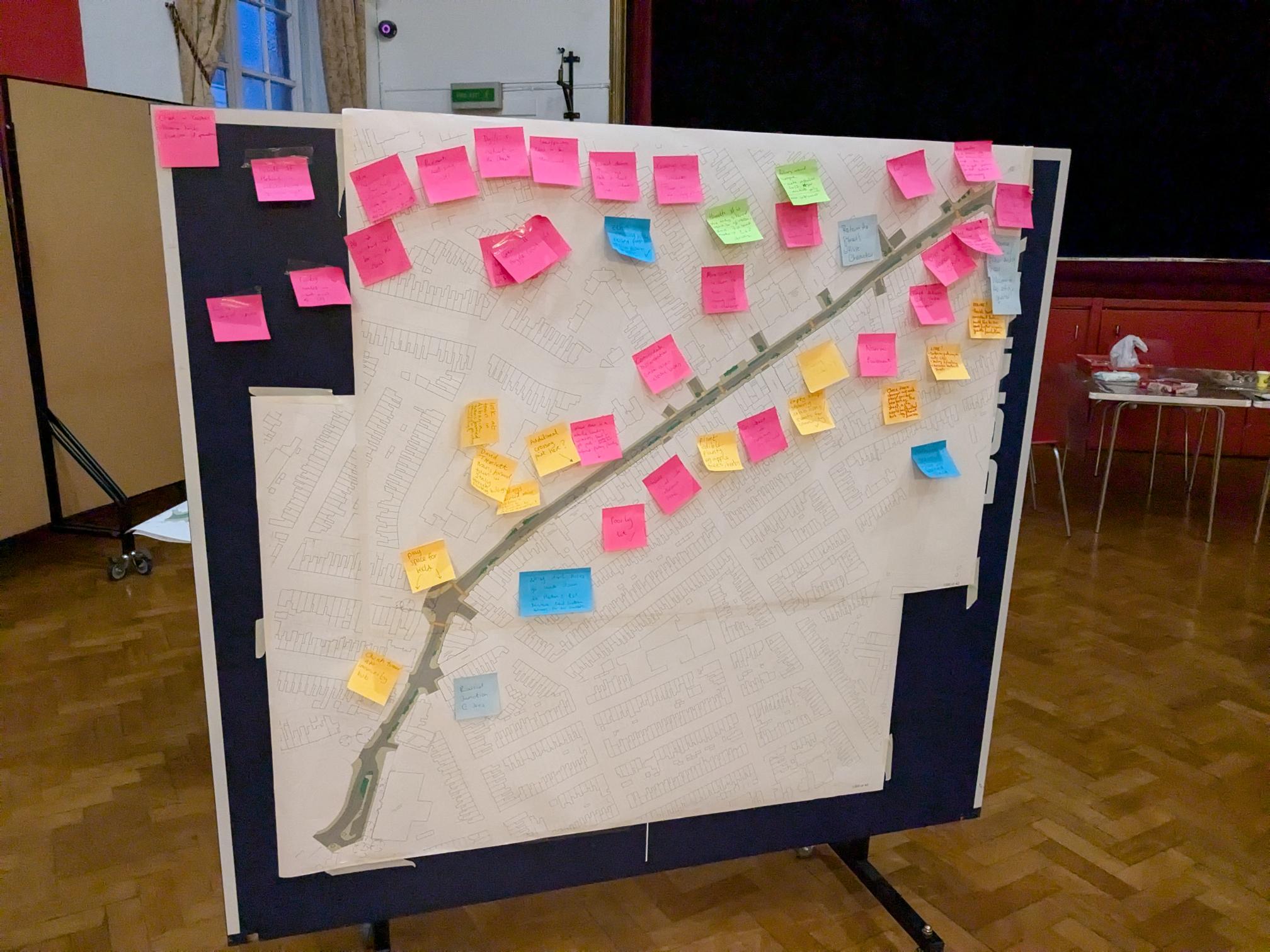
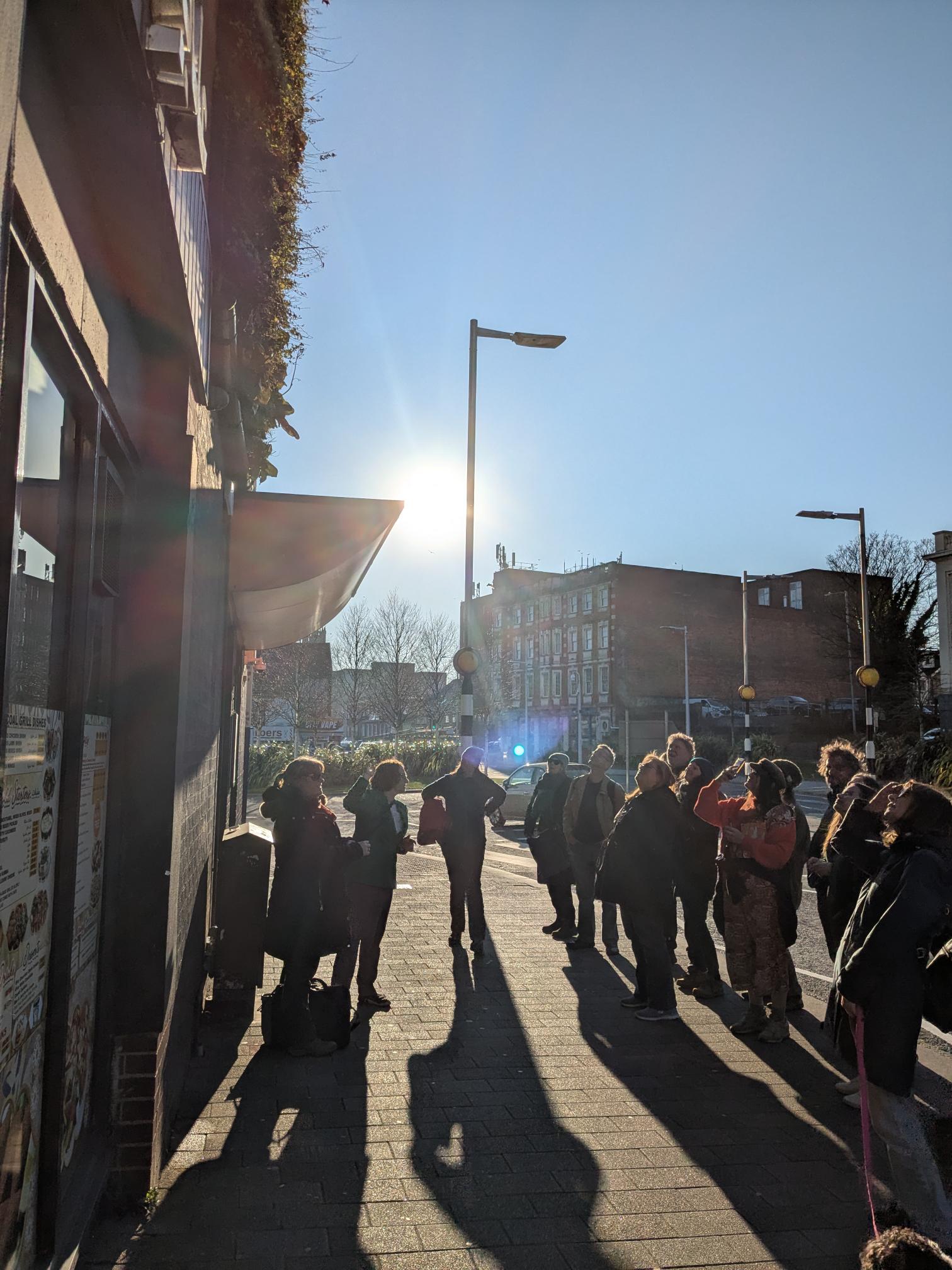
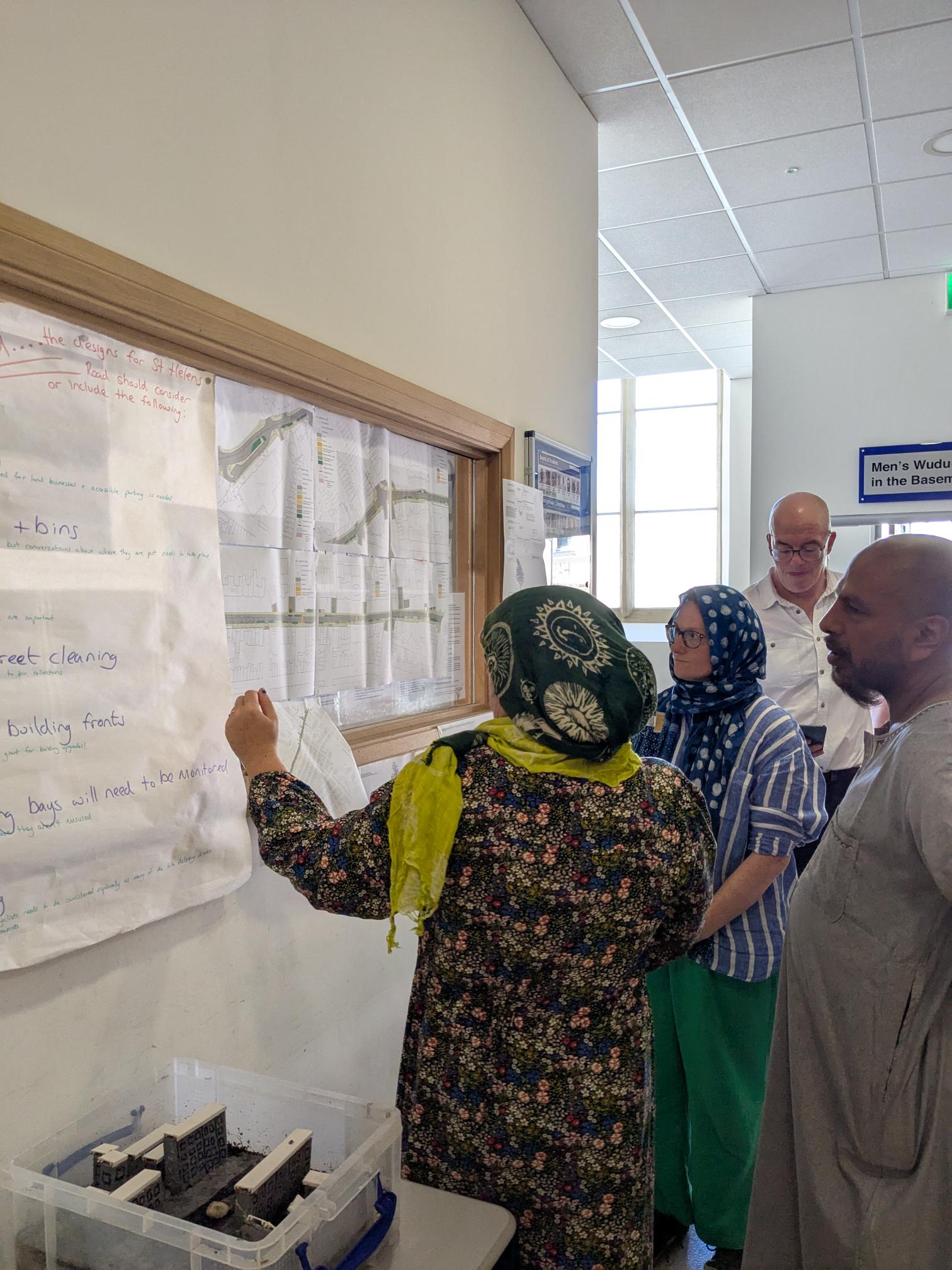
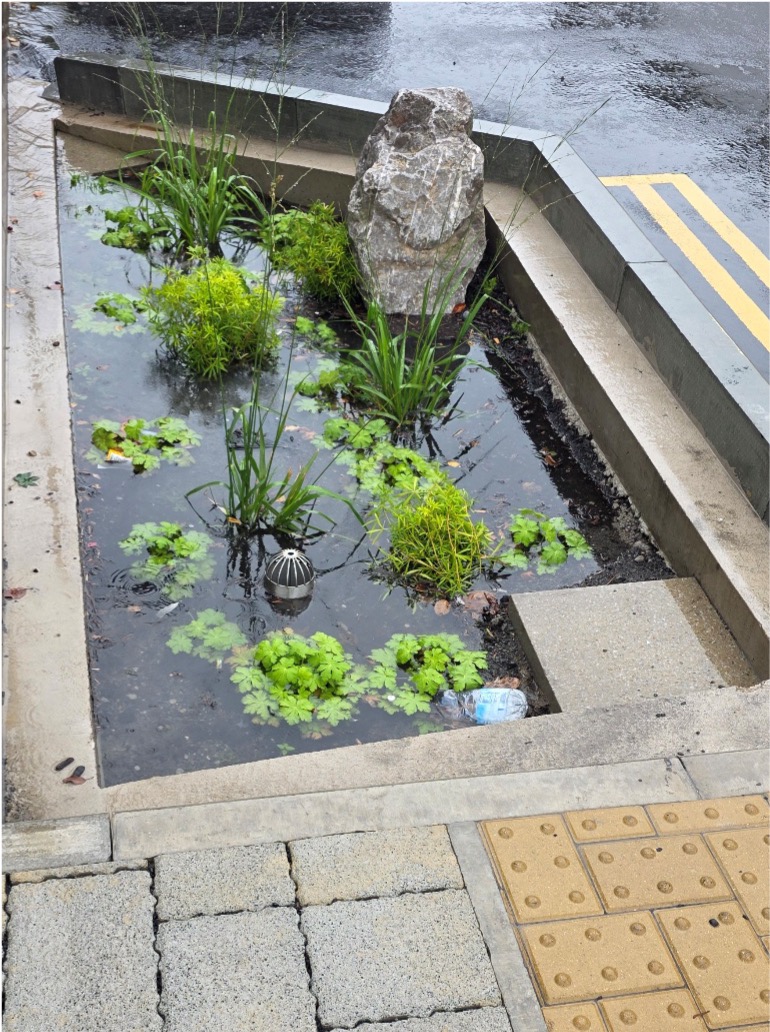
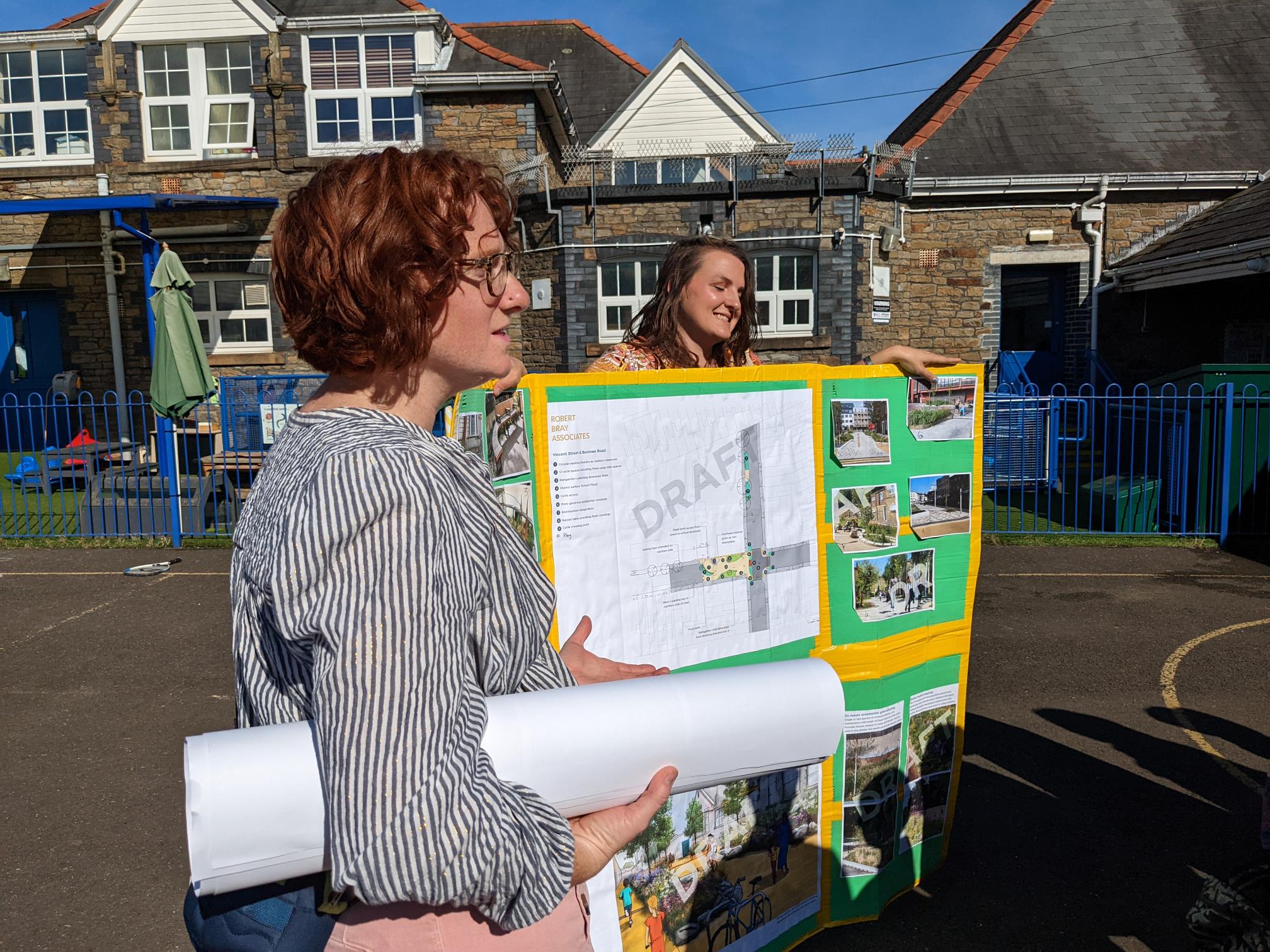
Swansea Council and Natural Resources Wales worked with Robert Bray Associates to find solutions by introducing rain gardens (Sustainable Urban Drainage Systems, or SuDS) across the area. Community involvement was central to the project, with Urban Foundry working with local people throughout, explaining the scheme and giving residents the opportunity to help shape the designs.
Five rain garden projects have been completed: Burrows Road, Vincent Street (outside St Helen’s Primary School), Fleet Street, Rodney Street and Phillips Parade (outside the Westbourne pub). Community conversations have continued beyond installation, helping people understand how rain gardens work, the importance of urban nature and how local people can help care for these spaces.
Impact
These are not ordinary gardens. They work like giant sponges, slowing and holding rainwater before filtering it into the ground and drainage system, helping to reduce surface water flooding and improve water quality before it reaches Swansea Bay.
The benefits go beyond water management. The gardens help cool the area during hot weather, create habitats for wildlife and make streets more attractive. Community involvement has also ensured the spaces work for people, with benches, bike racks, bins and balance beams included in the designs. Local people have a better understanding of rain gardens and how to care for them, while families are helping identify wildlife, remove litter and encourage others to look after these valuable community spaces.
These projects have been made possible by bringing together funding from Natural Resources Wales, Swansea Council, the Welsh Government’s Active Travel Fund, Local Places for Nature and the Wates Family Enterprise Trust.